
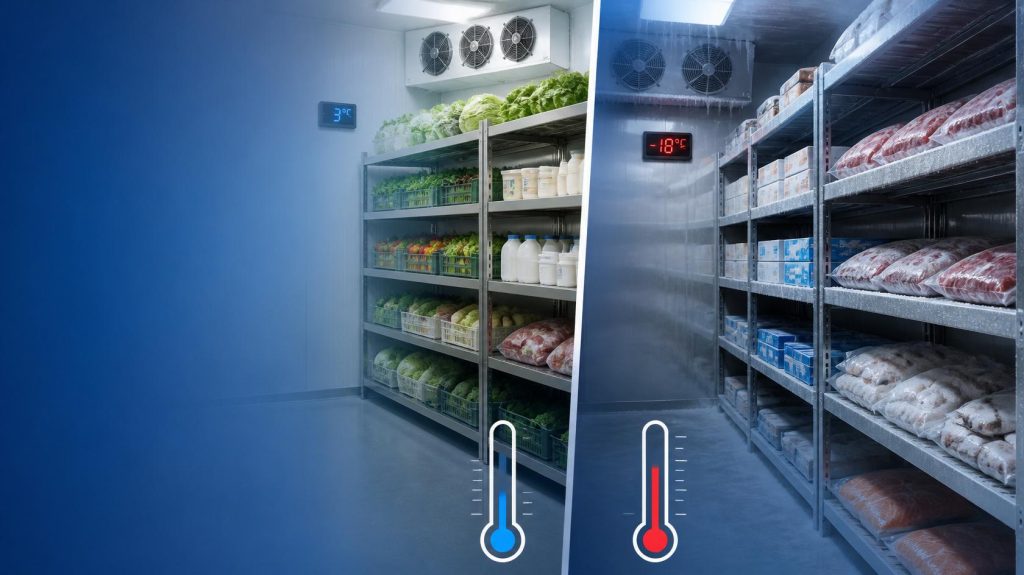
Whether you are storing fresh produce, frozen meat, dairy products or simply keeping your groceries fresh at home, maintaining the correct temperature is crucial. One of the biggest misapprehensions is that every refrigeration system should operate at the same temperature, while in reality that is one of the main causes why such errors affect the quality of your frozen or chilled food.
Why Temperature Matters
Refrigeration isn’t simply about making products cold. Every food product has a recommended storage temperature that helps preserve its freshness, texture, nutritional value and safety.
A refrigeration system operating outside its intended temperature range can lead to:
Reduced product quality
Food spoilage
Increased energy consumption
Excessive wear on refrigeration components
Unnecessary repair costs
Regular temperature monitoring ensures your equipment performs as designed while protecting your investment.
Domestic Refrigeration
A household refrigerator is designed to keep food fresh, not frozen.
The ideal setting for most domestic refrigerators is approximately 3degrees, meanwhile the freezer compartment should maintain -18 degrees. If the refrigerator rises above 5 degrees, food may spoil more quickly. Likewise, temperatures below 0 in the fresh food compartment may freeze foods that are intended to remain chilled.
Cold Rooms (Chillers)
Cold rooms are designed to store products above freezing point while maintaining freshness and quality.
Typical applications include:
Fresh meat
Dairy products
Fresh vegetables
Fruit
Beverages
Flowers
Typical Cold Room Temperatures
| Product Recommended Temperature |
|---|
| Fresh Beef | 0°C – 2°C |
| Fresh Pork | 0°C – 4°C |
| Fresh Poultry | 0°C – 4°C |
| Dairy Products | 1°C – 4°C |
| Fresh Vegetables | 2°C – 8°C* |
Maintaining these temperatures helps preserve freshness, lower bacterial growth and extend shelf life.
Freezer Rooms (Sub-Zero Refrigeration)
Unlike Cold rooms, freezer rooms are designed for long term frozen storage. This means that the systems operate below 0 degrees thus the title sub zero refrigeration.
Typical applications include:
Frozen beef
Frozen pork
Frozen poultry
Frozen seafood
Frozen vegetables
Ice cream
Typical Freezer Room Temperatures
| Product | Recommended Temperature |
| Frozen Meat | -18°C or below |
| Frozen Poultry | -18°C or below |
| Frozen Seafood | -18°C to -25°C |
| Ice Cream | -20°C to -25°C |
Some specialized applications such as blast freezers operate at much lower temperatures ranging between -30 and -40 degrees to freeze products rapidly while preserving quality.
Why Correct Temperature Regulation Is Important
Many businesses often postpone regular maintenance until their products begin to spoil, however temperature fluctuations are normally one of the first red flags of a technical issue
Possible causes include:
Refrigerant leaks
Dirty condenserr coils
Faulty thermostats
Monitoring temperatures regularly allows these issues to be picked out and sorted before they lead to costly repairs as well as loss of stock.
Climax Tip
The coldest setting isn’t always the best setting
A properly functioning refrigeration system is one that constantly maintains the correct temperature for the products you are storing, therefore if your fridge isn’t working to optimum do not try to tamper with the unit as that will probably mess it up further.